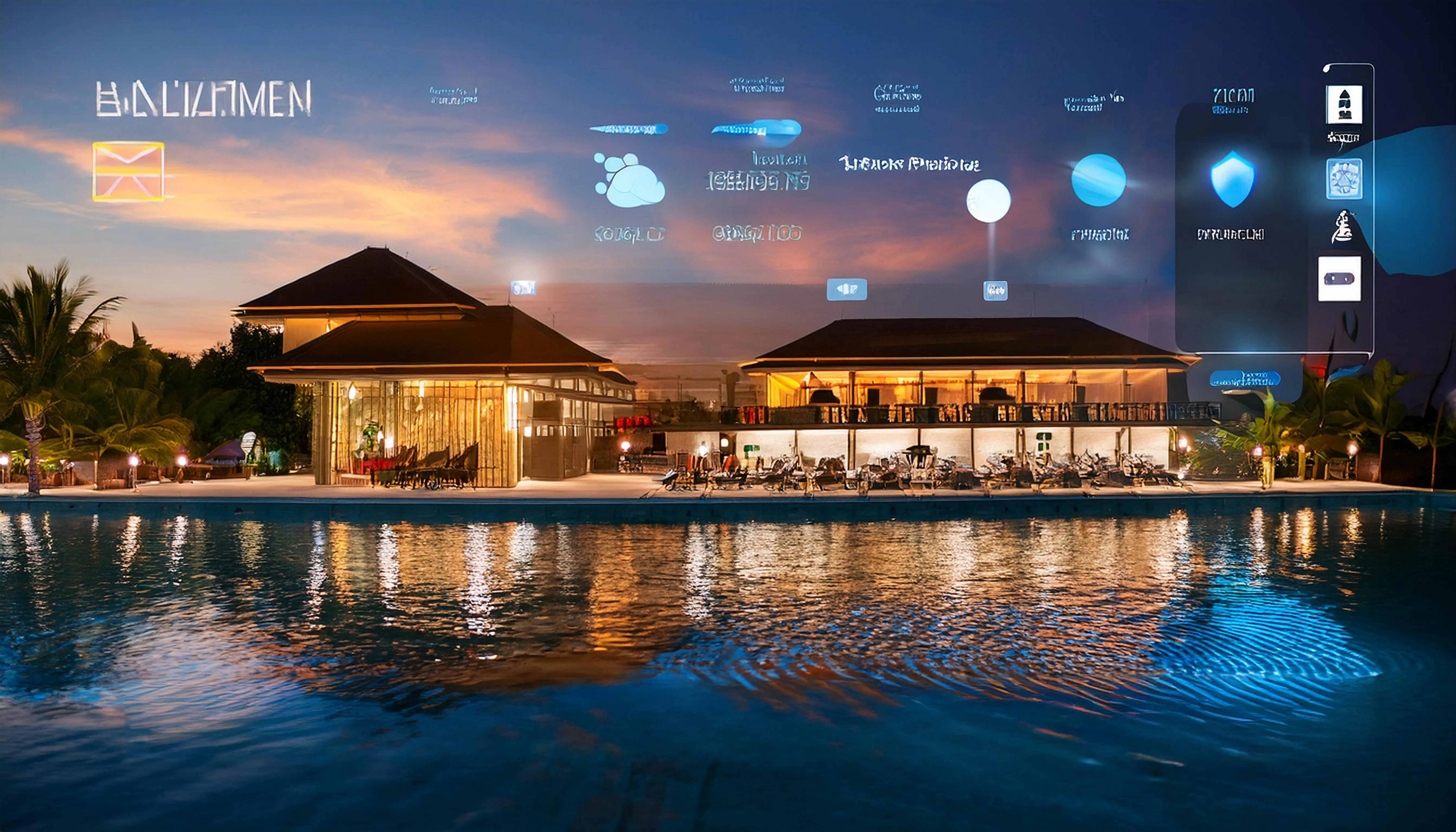
Today, one of the most transformative forces in this industry is artificial intelligence (AI). While hotels have experimented with digital technologies for years, AI is taking things to a completely new level. From smart rooms that intuitively adjust to guests' preferences to AI-driven concierge services that respond instantly, the future of hospitality looks smarter, faster, and more personalized than ever.
In this blog, we'll explore how AI in hospitality technology is revolutionizing the modern hotel experience, the benefits it brings to hotel operators and guests, and what the next few years may look like as AI-powered hotels continue to evolve.
As AI continues to revolutionize hotel operations and guest experiences, World BI is excited to host the Digital Transformation in Hotel Technology Conference in Nice, France. The event will gather top hospitality experts and tech innovators to discuss smart room advancements, automation, and the next wave of digital solutions driving the future of hotels.
What is AI in Hospitality Technology?
AI in hospitality technology refers to the use of machine learning, natural language processing, automation, and smart devices to enhance guest services, optimize hotel operations, and streamline business workflows. Unlike traditional hotel technology that reacts only after an action, AI systems learn from data and behaviors to predict what guests want even before they ask.
Imagine walking into your hotel room after a long trip and the lights automatically dim to your preferred level. The temperature adjusts to how you like it. Soft music plays that matches your mood. And instead of flipping through menus or calling reception, you simply say, "Order my usual breakfast for tomorrow morning," and the room's AI assistant takes care of everything. This is no longer science fiction it's happening now.
How AI is Transforming Smart Rooms in Modern Hotels
Smart rooms are the heart of AI-powered hospitality. They use connected devices, sensors, and automated systems to make the guest experience more comfortable and intuitive. Here are some of the biggest ways AI is shaping the hotel room of the future.
1 Voice-Activated Room Controls
AI voice assistants like Alexa for Hospitality, Google Assistant, and hotel-specific AI systems are redefining convenience. Guests can control lights, curtains, temperature, TV, and even call room service using simple voice commands.
Why It Matters:
- Reduces friction for guests
- Enhances accessibility for travelers with disabilities
- Offers multilingual support for global visitors
2 Personalized Room Settings
AI doesn't just follow commands it learns preferences. Smart rooms can remember a guest's ideal temperature, lighting brightness, preferred entertainment choices, and even wake-up routines.
Imagine this:
On your second visit, the room automatically sets itself exactly the way you liked it before. That level of personalization boosts guest satisfaction and loyalty.
3 Smart Energy Management
Hotels are constantly looking for ways to reduce energy consumption without affecting comfort. AI-powered systems use motion sensors, occupancy data, and predictive algorithms to adjust heating, cooling, and power usage automatically.
Benefits include:
- Up to 30% reduction in energy bills
- Lower environmental footprint
- More efficient maintenance planning
4 AI-Enhanced In-Room Entertainment
Streaming services, smart TVs, and voice-controlled media hubs are only the beginning. AI can curate content based on guest profiles, watching habits, and even their travel history.
For example, a business traveler may see suggested news channels, while a family might be recommended kids' movies or local attraction videos.
5 Predictive Maintenance
In traditional hotels, maintenance happens after a problem occurs. AI flips this model by predicting when equipment will fail and alerting staff before guests are affected.
Examples:
- HVAC systems notifying engineers of potential issues
- Smart sensors detecting water leaks
- Appliances reporting performance anomalies
This minimizes downtime and improves guest comfort.
AI Beyond the Room: Hotel-Wide Innovation
While smart rooms are the star attraction, AI extends far beyond the four walls of a guest room. It is reshaping every corner of hotel operations.
1 Contactless Check-In and Digital Key Access
AI-driven kiosks and mobile apps allow travelers to skip the front desk. With digital keys delivered to smartphones, guests can unlock their room instantly.
This trend became essential during the pandemic and continues to grow due to its speed and convenience.
2 AI-Powered Concierge Services
Chatbots and virtual agents are now capable of answering questions, making restaurant reservations, recommending attractions, and handling special requests all in real time.
Advantages:
- 24/7 availability
- Zero wait times
- Consistent service quality
- Multilingual support
3 Dynamic Pricing and Revenue Optimization
AI analyzes demand, market trends, competitor pricing, guest booking behaviors, and local events to optimize hotel room rates. This ensures hotels maximize revenue while still offering competitive prices.
4 Smarter Housekeeping Management
AI tells staff which rooms are empty, which ones need extra cleaning, and which tasks should be prioritized. This reduces wasted time and improves efficiency critical in large hotel chains.
5 Enhanced Guest Feedback Analysis
Instead of manually reading hundreds of reviews, AI tools analyze guest feedback from surveys, social media, and booking platforms to identify patterns.
Hotels can quickly spot areas that need improvement, such as slow room service or outdated amenities.
Benefits of AI-Powered Hotels
AI in hospitality technology is not just an upgrade it's a strategic investment with far-reaching benefits.
1 Higher Guest Satisfaction
AI creates customized and seamless experiences that make guests feel valued. Personalized settings, fast check-ins, and instant service responses all contribute to a better stay.
2 Operational Efficiency and Cost Savings
Automation reduces the burden on staff, cuts energy usage, and streamlines workflows. Tasks that once took hours can now be completed in minutes.
3 Stronger Brand Competitiveness
Hotels that integrate AI stand out in a crowded market. Guests, especially tech-savvy travelers, increasingly prefer modern, future-ready accommodations.
4 Enhanced Safety and Hygiene
AI systems help monitor cleanliness, track housekeeping activity, and maintain contactless service ensuring a safer environment.
5 Increased Revenue
Dynamic pricing, personalized upselling, and improved guest satisfaction all lead to higher bookings, repeat visits, and stronger online reviews.
Challenges and Considerations
As with any impactful technology, there are challenges hotels must consider.
1 High Initial Investment
Smart rooms and AI platforms require significant upfront costs, though long-term savings often offset these.
2 Data Privacy Concerns
Hotels must ensure robust data protection practices, as AI systems rely on collecting guest information.
3 Need for Staff Training
Teams must be trained to work alongside AI tools to avoid skill gaps or service disruptions.
The Future of AI in Hospitality Technology
AI is still evolving, and the hotels of the future will become even smarter. We can expect:
- Emotion-sensing systems that tailor room ambiance based on mood
- Robotic assistants delivering amenities
- AI-powered travel planning integrated directly into hotel apps
- Holographic concierge agents
- Fully automated rooms with zero-touch controls
As AI continues to mature, hospitality will shift from being simply "service-oriented" to "experience-driven," offering guests a level of comfort and personalization never seen before.
Hotel Technology Conferences
AI-powered hotels are more than a trend; They're the next big leap in hospitality. With smart rooms that adapt to guest behavior, automated services that optimize operations, and predictive systems that keep everything running smoothly, AI in hospitality technology is redefining what it means to deliver an exceptional stay.
As travelers continue to seek convenience, personalization, and memorable experiences, AI will play a central role in shaping the future of hotels worldwide. For hospitality brands, adopting AI is no longer optional it's essential for staying competitive in an increasingly digital world.
As hotel technology expands with new advancements every year, the conference selects one major innovation to spotlight. In 2026, the emphasis will be on AI-Driven Hospitality Solutions, exploring how smart rooms, predictive systems, and automated guest services are redefining the standards of comfort, efficiency, and engagement across the hotel.
Join us to explore the next chapter in hotel innovation in Digital Transformation in Hotel Technology 2026.