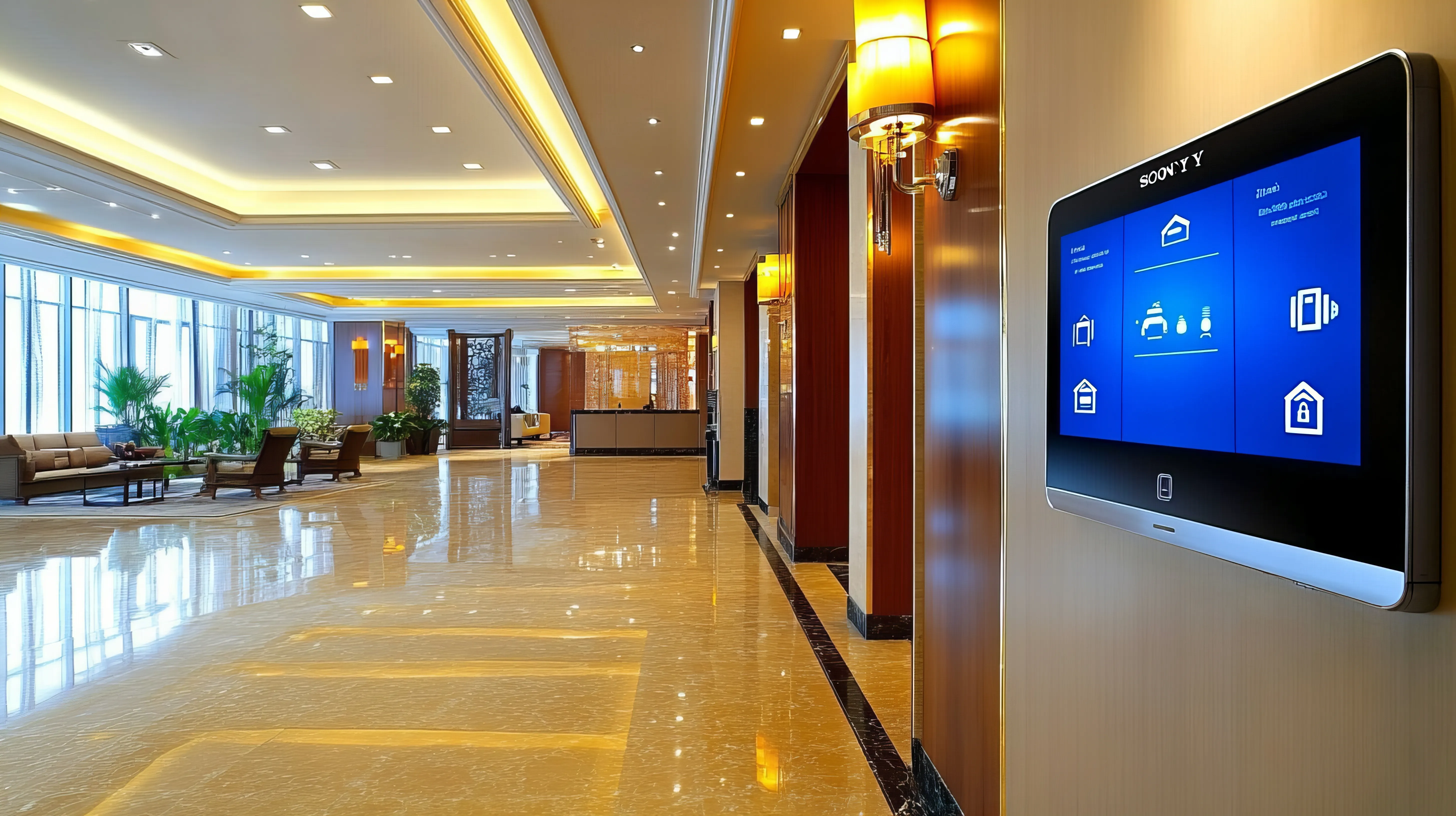
These advancements are transforming the way hotels operate, deliver guest experiences and make business decisions, creating new opportunities for greater efficiency, innovation and long-term growth. However, innovation alone does not guarantee business success, and hotel leaders must carefully balance new technology with operational efficiency, investment costs and long-term business objectives. The challenge is not simply deciding which technology to adopt, but understanding how each investment can create meaningful value for the hotel. This balance between innovation, efficiency and growth is becoming increasingly important as hotels adapt to changing industry demands.
World BI organizes the Digital Transformation in Hotel Technology conference, which brings hotel leaders and technology providers together to explore the latest advancements, share practical insights and understand how technology can address real challenges across the hospitality industry.
A Strategic Approach: Challenges, Solutions & Practical Examples
To achieve sustainable results from technology investments, hotel leaders need a structured approach that connects digital capabilities with measurable operational and business outcomes. A clear Hotel Technology Strategy can help hotels prioritise the right solutions while managing costs, operational requirements and future business needs.
Balancing Innovation with Operational Efficiency
New technology should never make daily work more difficult for your team. It should make operations smoother, not more complicated. Effective Hotel Technology Innovation should improve efficiency while allowing staff to focus on delivering better guest experiences.
- Save Your Staff's Time: If new software adds extra steps to an employee's job, it is not a good tool. Good technology should give your team more time to take care of guests.
- Automate Everyday Tasks: Let technology handle repetitive tasks that happen every day, allowing staff to focus on more valuable operational and guest-facing activities.
Example: Use AI Chatbots on your hotel website. They can instantly answer simple guest questions such as "What is the Wi-Fi password?" or "When is check-out?" This reduces pressure on the front desk and allows staff to focus on guests who need personal assistance.
Identifying Technology Investments that Support Long-Term Growth
Hotels should invest in technology that supports revenue generation, operational performance and long-term growth rather than following temporary trends.
Not all Hotel Technology investments provide the same return on investment (ROI). Hoteliers should prioritise scalable solutions that deliver value over time.
- Focus on Profit Tools: Choose systems that help increase room sales and overall revenue, including RevPAR.
- Understand Your Customers: Use smart software to store guest preferences and support more personalised experiences.
Example: A smart pricing system can analyse demand and market conditions and adjust room prices to optimise revenue.
Managing the Cost and Complexity of Technology Adoption
New software can be expensive, and staff may find complicated systems difficult to use. Effective technology adoption requires careful planning, appropriate investment and proper staff training.
- Pay as You Go: Instead of purchasing expensive software all at once, hotels can consider monthly subscription plans such as SaaS. This can make technology costs in hotels more predictable and manageable.
- Connect Systems Easily: Choose tools that can communicate with each other through Open APIs. This allows different systems to exchange data and reduces the risk of information becoming isolated across separate platforms.
Example: Do not launch a new system across the whole hotel on day one. Train selected "Tech Champions" from each department first. Once they understand the system, they can support other staff during the wider rollout.
Building a Flexible Strategy for Future Industry Changes
Technology will continue to evolve rapidly. Hotels need a flexible approach that allows them to respond when hospitality technology trends, guest expectations and business requirements change.
A strong Hotel Technology Strategy should therefore support flexibility rather than relying on systems that are difficult or expensive to replace.
- Move to the Cloud: Cloud-based technology allows hotel data and systems to be accessed remotely rather than depending entirely on physical computers within the hotel. This can provide greater flexibility for hotel operations and management.
- Keep Contracts Short: Where practical, avoid long and rigid contracts with technology providers that may limit your ability to adopt better solutions in the future.
Example: Review your technology tools regularly. If a newer, more effective solution becomes available, your existing systems should be flexible enough to integrate with it without requiring a complete technology overhaul.
Turning Technology Investments into Long-Term Business Value
Technology investment should be evaluated not only by its features but by the business value it creates. Hotels should define clear objectives before adopting a new solution, such as reducing operating costs, improving staff productivity, increasing revenue or enhancing guest satisfaction. This makes it easier to measure whether the investment is delivering the expected results.
- Measure the Results: Track operating costs, revenue performance, staff productivity and guest satisfaction to understand the real impact of a technology investment.
- Review Technology Regularly: Hotel leaders should regularly assess whether their systems are still meeting business needs and delivering value.
Example: A hotel introducing an automated revenue management system can compare pricing performance and revenue results before and after implementation to determine whether the investment is creating measurable value.
Conclusion
Hotel Technology is reshaping the hospitality industry, offering both opportunities and challenges for the future of hotel operations. With careful planning and strategic implementation, technology has the potential to drive innovation, improve operational efficiency, enhance guest experiences and support long-term business growth. The Digital Transformation in Hotel Technology conference focuses on the latest advancements in hospitality technology, providing hotel professionals with practical insights, industry expertise and opportunities to connect with industry leaders. The event offers valuable knowledge and interactions that can help professionals better understand emerging technologies and make more informed technology decisions. For more information, kindly visit World BI.