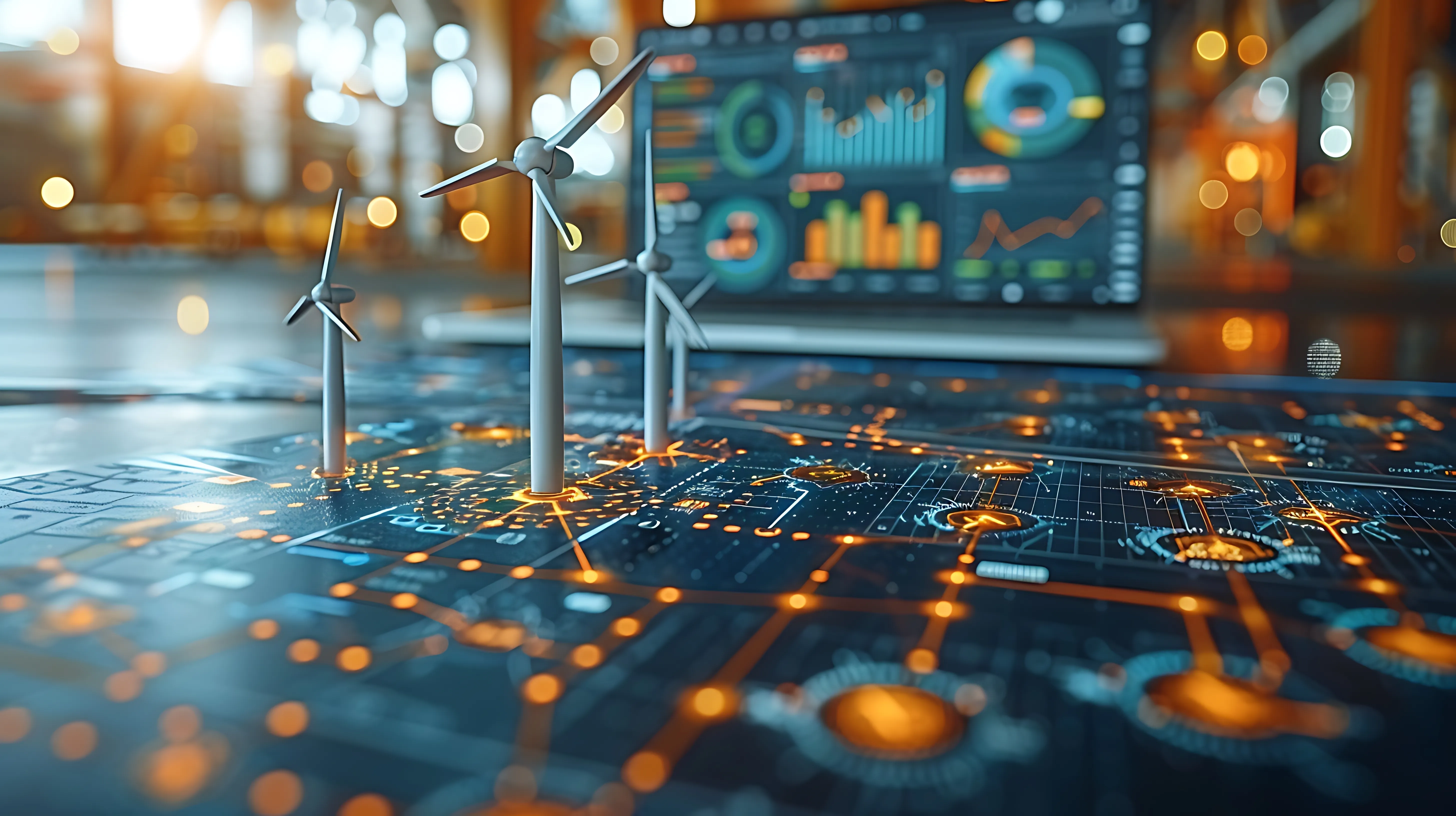
Rising energy costs, environmental concerns, and government regulations are pushing hotels to adopt smarter solutions. This is where energy management systems are transforming the future of hospitality.
Smart Energy Management Systems (EMS) help hotels monitor, control, and optimize energy usage across their properties. From lighting and air conditioning to water heating and room automation, these systems improve operational efficiency while reducing environmental impact.
What are Smart Energy Management Systems?
Smart Energy Management Systems are advanced technologies that allow hotels to track and control energy consumption in real time. These systems use automation, sensors, artificial intelligence, and cloud-based platforms to optimize how energy is used throughout the property.
A modern energy management system can control:
- Heating and cooling systems
- Lighting
- Water usage
- Ventilation systems
- Guest room power consumption
- Equipment performance
By collecting and analyzing data, hotels can identify areas where energy is being wasted and make adjustments instantly.
Why Energy Management Matters for Hotels
Hotels operate 24/7, which means energy consumption is extremely high. Air conditioning, heating, lighting, kitchens, laundry facilities, and guest room appliances all contribute to large utility bills.
This is why energy management has become essential for hotels looking to improve profitability and sustainability.
The benefits include:
- Lower operational costs
- Reduced environmental impact
- Improved equipment efficiency
- Better guest comfort
- Compliance with sustainability regulations
In today's competitive hospitality market, smart energy management is both a financial and strategic advantage.
How Smart Energy Management Systems Work
Modern EMS platforms use connected devices and sensors to monitor hotel operations continuously. For example:
This automation allows hotels to reduce unnecessary consumption without affecting guest experience.
Key Features of Smart Energy Management Systems
Real-Time Monitoring
Hotels can track energy usage across departments and rooms instantly. Real-time insights are one of the strongest advantages of smart energy management systems.
Automated Temperature Control
Smart thermostats help maintain ideal room temperatures while reducing energy waste. This improves both efficiency and guest comfort.
Intelligent Lighting Systems
Lighting systems can automatically adjust based on occupancy, daylight levels, or schedules. This is a simple but highly effective part of hotel energy management.
Predictive Maintenance
Advanced systems can identify equipment issues before they become serious problems. This reduces downtime and improves operational reliability.
Cloud-Based Control
Hotel managers can monitor and control energy systems remotely through cloud platforms. Cloud technology makes modern energy management systems more flexible and scalable.
Benefits of Smart Energy Management for Hotels
Reduced Operational Costs
Energy is one of the largest expenses for hotels. Smart systems help significantly reduce utility bills.
Improved Sustainability
Lower energy consumption means reduced carbon emissions and a smaller environmental footprint.
Enhanced Guest Experience
Automated room settings improve comfort and convenience for guests.
Better Data Insights
Hotels can make informed decisions using detailed energy consumption reports.
Long-Term Equipment Performance
Efficient usage reduces strain on equipment and extends its lifespan.
All these benefits make energy management a valuable investment for modern hotels.
Role of AI in Energy Management
Artificial intelligence is making hotel energy management smarter than ever before. AI systems can:
- Predict occupancy patterns
- Automatically adjust energy usage
- Detect unusual consumption levels
- Recommend efficiency improvements
AI-driven automation allows hotels to optimize energy usage while maintaining a high-quality guest experience.
Challenges Hotels Face in Implementing Energy Management Systems
While the advantages are clear, hotels may face challenges such as:
However, the long-term savings and sustainability benefits usually outweigh these challenges.
Importance of Sustainability in Hospitality
Sustainability is no longer optional in hospitality. Many travelers now prefer eco-friendly hotels that actively reduce their environmental impact.
Smart energy management systems help hotels achieve sustainability goals while improving profitability.
Hotels that prioritize sustainability also strengthen their brand image and appeal to environmentally conscious travelers.
Smart Hotels and the Guest Experience
Modern guests appreciate hotels that combine comfort with innovation. Smart rooms that automatically adjust temperature and lighting create a more personalized experience.
This shows how energy management is not only about reducing costs—it is also about enhancing guest satisfaction.
Future Trends in Hotel Energy Management
The future of energy management in hospitality will include:
These technologies will make hotel operations more efficient, intelligent, and environmentally friendly.
Final Thoughts
As hotels continue to modernize, smart technologies will play a major role in shaping the future of hospitality. Smart Energy Management Systems allow hotels to reduce costs, improve sustainability, and deliver better guest experiences through automation and data-driven decision-making.
In the years ahead, energy management will become one of the most important factors in creating efficient, environmentally responsible, and future-ready hotels.