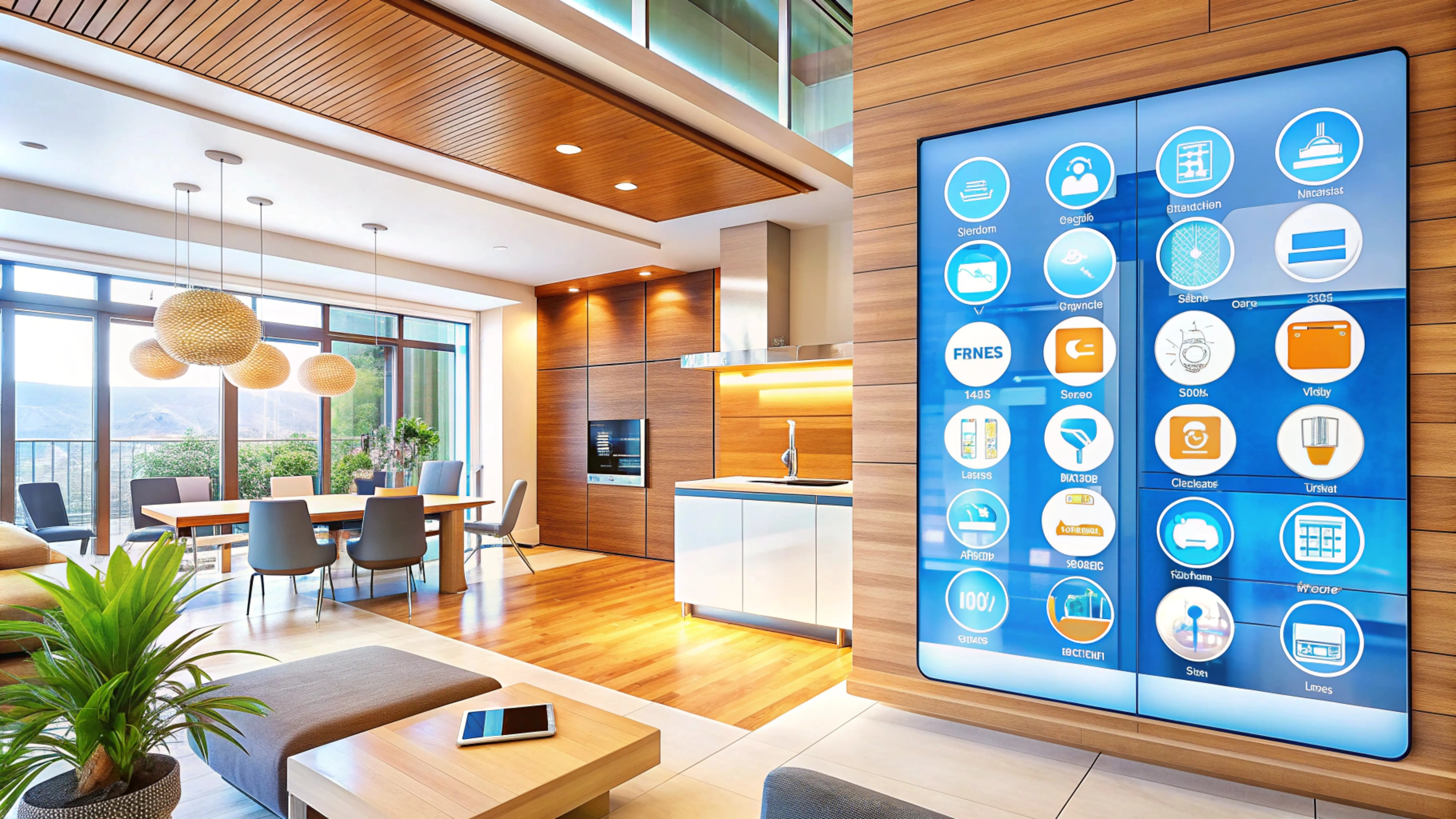
This approach will enable hotels to deliver a personalised experience, while enhancing operational efficiency. An integrated guest data platform hospitality strategy can help unify information from PMS, reservations, loyalty programmes, websites, apps and guest communication, while upholding the right privacy and consent controls.
World BI brings together hospitality leaders and technology professionals through Digital Transformation in Hotel Technology (DHT), where industry professionals explore how digital transformation, AI, automation, data and connected hotel technologies are changing the way hotels operate and deliver guest experiences. Within this wider transformation, smart rooms and unified guest data are becoming increasingly important areas for hotel decision-makers.
What Makes a Hotel Room Smart in 2027?
The smart hotel room of 2027 should not be viewed as one piece of technology. It is better understood as a collection of connected layers working together across the physical room, hotel systems and wider guest journey.
Smart Climate Control
Connected thermostats and HVAC systems make it possible for guests to control the temperature of a room digitally, and for hoteliers to gain more insight into the functionality of the room.
The value can go beyond convenience for a hotel operator. Connected HVAC systems can provide an efficient way to manage the room, its occupancy and its operation.
The future opportunity is to connect it all together. By being able to exchange information on the room conditions, occupancy, and operations, they can be more efficient in delivering comfort and managing the hotel.
Intelligent Lighting
Smart lighting allows guests to adjust brightness and choose settings for arrival, relaxation, sleep or work, improving convenience while supporting automation.
Hotels can also connect lighting systems with occupancy sensors and room controls to support more efficient energy management. Instead of operating lighting as a standalone feature, hotels can integrate it into a wider smart-room environment.
The commercial question for hotel buyers is therefore not simply whether smart lighting looks impressive. It is whether the technology integrates with the hotel's existing infrastructure and provides measurable operational or guest-experience value.
Smart Entertainment
Smart TVs and casting systems are becoming an important part of the connected guest room. Guests increasingly expect access to familiar digital entertainment without complicated setup processes.
Hotels should also consider the data and security implications of connected entertainment systems. Guest accounts, personal information and device connections should be appropriately cleared between stays.
Digital Access
Mobile keys and digital access technologies can break down barriers between the booking, arrival and room entry process.
A connected access system can be embedded into a larger digital guest journey, connecting pre-arrival communication, check-in, room access and other guest services.
For hotel groups managing multiple properties, interoperability is of particular importance. Digital access solutions should operate in concert with existing property systems, rather than adding another layer of technology.
Connected Sensors
Sensors can monitor occupancy, environmental conditions and other operational signals.
For example, occupancy information can potentially help housekeeping teams understand room usage and improve operational planning.
Research on smart hotel management also shows how integrated smart technologies can support hotel operations and resource management through connected building and management systems.
This distinction is important when evaluating a guest data platform hospitality strategy. More data is not automatically more valuable. Data becomes useful when it can be understood, connected and responsibly activated.
The Missing Layer: Guest Data
A hotel may have advanced IoT technology but still deliver disconnected guest experiences.
For example, a returning guest may have records across different systems:
- PMS with booking history
- Loyalty system with membership data
- Restaurant system with dining activity
- Spa system with treatments
- Mobile app with digital preferences
- Smart-room system with personal preferences
If these systems cannot recognise that the records belong to the same guest, the hotel effectively has multiple versions of the same customer.
This is why guest data unification strategies are becoming increasingly important for the hospitality sector.
How Do Hotels Build a Single Guest Profile That Actually Works?
Hotels can build a single guest profile by connecting PMS, booking, CRM, loyalty, POS, spa and digital data. This involves matching duplicate records, resolving guest identities and applying appropriate consent and access controls.
For example, a guest may use a personal email for one booking, an OTA for another and a corporate email later. Without identity resolution, these interactions may appear as separate customers.
A hotel CDP single guest profile therefore needs to do more than store information. It should identify which records belong together and provide a continuously updated view of the guest.
What Should a Hotel CDP Single Guest Profile Contain?
A useful hotel CDP single guest profile can include:
- Booking and stay history
- Loyalty membership
- Room preferences
- F&B and spa activity
- Communication preferences
- Digital engagement
- Guest feedback
- Cross-property activity
- Consent information
This gives hotels a more complete view of guests and supports personalised experiences across touchpoints.
A strong guest profile combines high-quality data, identity resolution, privacy governance and activation.
IoT + Guest Data: Where Smart Rooms Become Personalised
The greater opportunity lies in combining IoT systems with guest data.
Hotels can use relevant, authorised guest preferences to personalise experiences before, during and after a stay.
For example, an authorised room preference could potentially be applied to a future stay. Similarly, connected-room data can support operational decisions when used appropriately.
Why Europe Requires a More Considered Approach?
Connected hotel technology offers global opportunities, but European hotel groups must pay particular attention to privacy, consent, transparency and responsible data management.
This is especially relevant for groups operating across countries and properties, where different systems, brands and processes can make guest-data unification more complex.
For European hotel groups, the goal is not only personalisation but also a secure infrastructure where guest information can be managed responsibly.
What Should Hotels Look for When Buying a Guest Data Platform?
Hotels should evaluate how well a guest data platform integrates with their existing systems and creates a unified, usable guest profile.
1. Integration Capability
The platform should connect with PMS, booking, CRM, loyalty, POS and other relevant systems.
Buyers should understand which integrations are available, how they are maintained and whether new systems can be added as the technology environment evolves.
2. Identity Resolution
The platform should identify and unify duplicate guest records across different systems and properties.
It should help determine whether multiple records belong to the same guest while maintaining appropriate rules for data quality, privacy and access.
Creating a single customer view can help hotels understand why identity resolution is an important part of a connected guest-data strategy.
3. Data Freshness
Hotels should understand how quickly guest information is updated across connected systems.
Outdated information can reduce the usefulness of personalisation and operational decision-making, particularly when guest preferences or booking information change frequently.
4. Multi-Property Support
The platform should support multiple properties and brands while maintaining appropriate access controls.
This is particularly important for hotel groups that want to recognise guests across different locations without creating unnecessary data-access risks.
5. Privacy and Consent
The platform should provide clear controls for consent, permissions, data governance and access.
Hotels should understand how guest preferences and privacy requirements are managed across connected systems and third-party integrations.
6. Activation
Unified guest data should be usable for personalisation, communication, guest recognition and service workflows.
A platform that only stores information without enabling practical use cases may provide limited commercial value.
What is the Commercial Value for Hotels?
The business case for smart hotel technology extends beyond simply creating a more modern room.
Hotels can evaluate potential value across several areas:
- Guest experience: Connected technologies can reduce friction and create more convenient interactions.
- Operational efficiency: Sensors and connected systems can provide additional operational visibility.
- Energy management: Smart building and room technologies can support more informed resource management.
- Direct engagement: Unified first-party guest information can support more relevant communication.
- Revenue opportunities: Relevant and permission-based offers can be connected to appropriate stages of the guest journey.
This is why the conversation is shifting from individual IoT devices towards the complete technology architecture behind the guest experience.
The 2027 Buyer's Checklist
Before investing in smart-room technology or a hospitality customer data platform Europe solution, hotel decision-makers should ask:
- Can our systems recognise the same guest across channels and properties?
- Can PMS, POS, booking and loyalty data be unified?
- How accurately does the platform resolve duplicate identities?
- Can incomplete or conflicting records be managed?
- Can IoT data connect with the wider guest ecosystem?
- How are consent and privacy preferences managed?
- Can teams control who has access to different types of information?
- Can the platform support multiple properties and brands?
- Can unified profiles support practical guest-experience and operational use cases?
- What measurable outcomes will the hotel use to evaluate the investment?
These questions help hotels move away from buying technology simply because it is new and towards selecting technology that supports a defined business requirement.
The Future of the Smart Hotel Room
By 2027, the smart hotel room will increasingly become one component of a much larger digital ecosystem.
The most important transformation will not necessarily come from adding the greatest number of connected devices. It will come from connecting rooms, hotel systems, guest data, intelligence and experiences in a useful and responsible way.
A thermostat can control temperature.
A smart TV can provide entertainment.
A digital key can simplify access.
Sensors can provide operational information.
But when these technologies connect with a reliable guest identity and the wider hotel technology stack, they can contribute to a more continuous guest journey.
For hotel groups across Europe and global markets, the strategic question is therefore moving beyond:
“Should we make our hotel rooms smart?”
The more important question is:
“Can our technology stack turn connected rooms and fragmented guest interactions into one trusted, useful and responsibly managed guest relationship?”
As hotels explore Digital Transformation in Hotel Technology (DHT), these questions sit at the centre of the conversation around IoT, AI, automation, guest data, personalisation and operational efficiency. World BI provides a platform for hospitality and technology professionals to discuss these developments, examine emerging solutions and explore how technology can address real challenges across the hotel industry.